Power at a mountain lake house has to survive conditions most suburban wiring never sees. Ice storms bring down lines on wooded roads, summer thunderstorms roll across the ridges with little warning, and shoreline circuits sit a few feet from water that can be full of swimmers. When something trips, flickers or smells hot, you need an electrician who can actually get to the property and who understands how lake homes are wired.
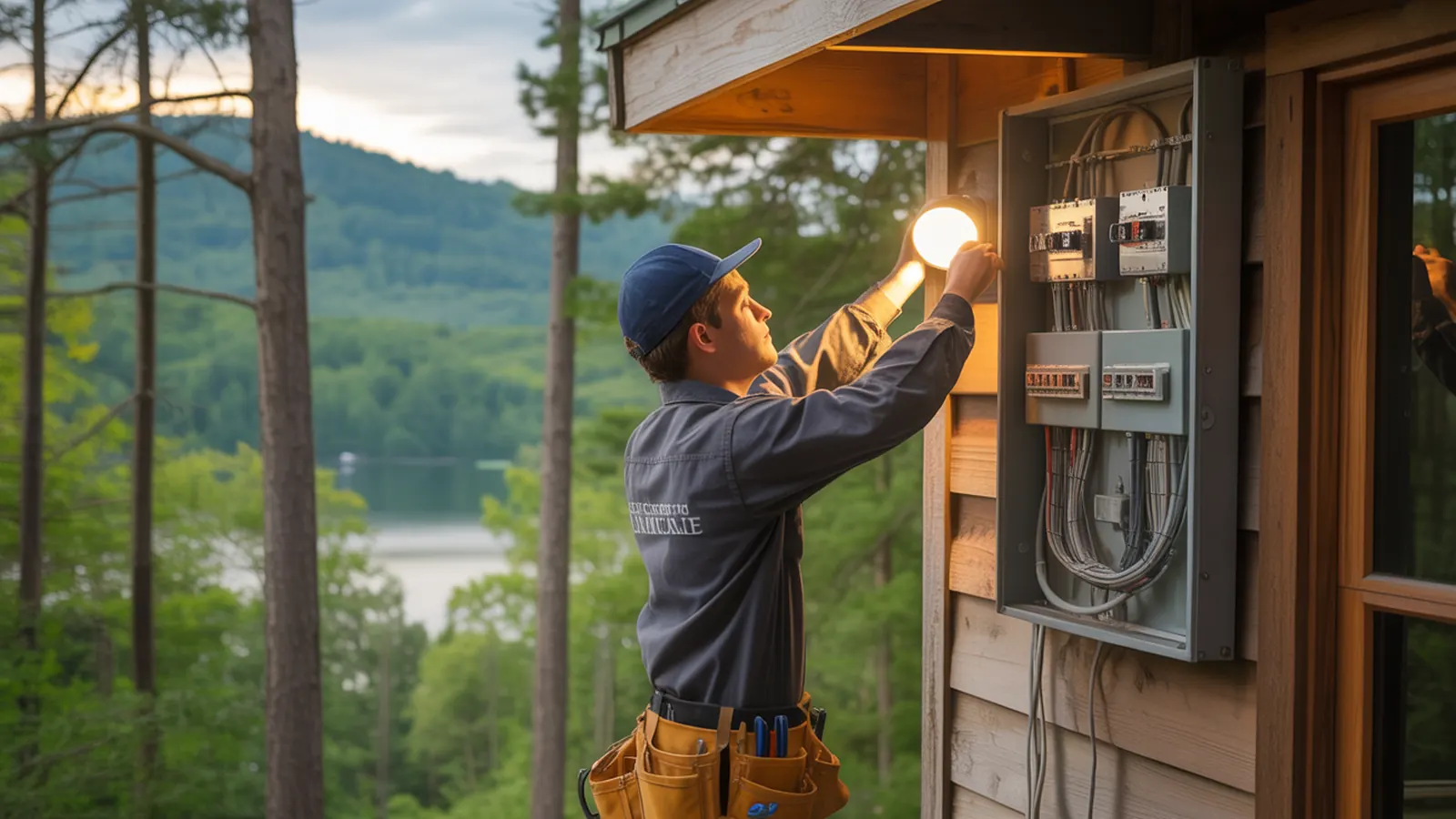
Many Deep Creek homes were built decades ago as simple cabins, then expanded with additions, hot tubs, heated garages and bunk rooms. Each change added load to a service that may not have been sized for it. A modern rental with a hot tub, electric range, dryer, baseboard heat and two EVs in the driveway can push an older panel past its limits.
Deep Creek Hub sends your project details to up to three local electrical contractors who serve your part of Garrett County. You compare their approach, schedule and price, then choose who to hire.
Outages, generators and shoreline power
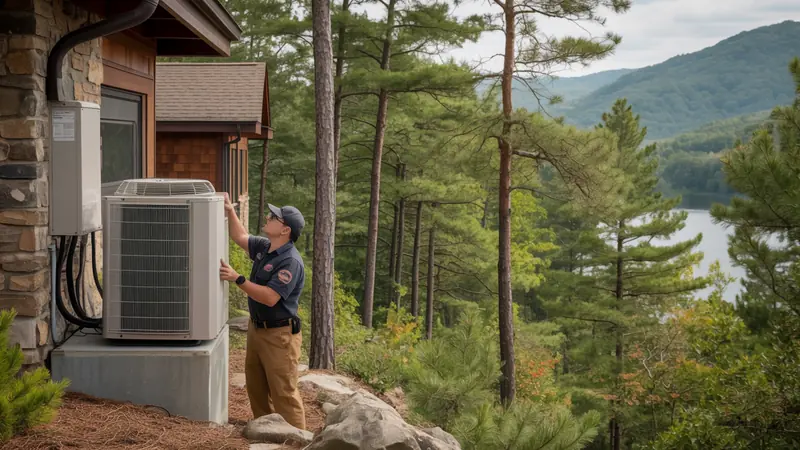
Extended outages are the number one reason owners call an electrician here. A house that loses power in January can lose heat, then water pressure if it relies on a well pump, and then pipes. That chain reaction is why standby generators with automatic transfer switches are so common on lake properties. Sizing one correctly depends on whether you want to run the whole house or only critical circuits such as the furnace blower, well pump, sump pump, refrigerator and a few lights.
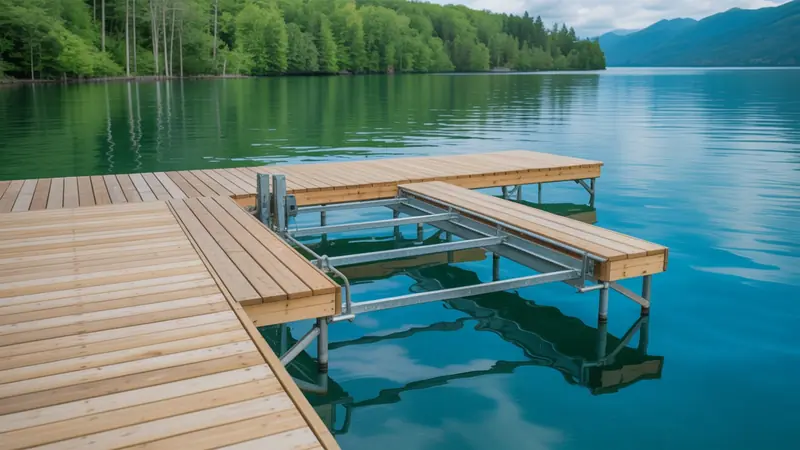
Docks and boat lifts bring a separate set of concerns. Shoreline outlets, lift motors and dock lighting need proper ground-fault protection, weather-rated boxes and wiring methods suited to wet locations. Electric shock drowning is a real risk around energized water, so any dock circuit that is tripping, buzzing or was installed by a previous owner without permits deserves a professional inspection before guests swim nearby.
Rentals add one more layer. Guests plug in space heaters, chargers and hair dryers all at once, and they rarely know where the panel is. A clearly labeled panel, working smoke and carbon monoxide alarms and outdoor GFCI outlets reduce both nuisance calls and real hazards.
- Ask whether a generator quote includes the transfer switch, propane connection and permit.
- Have dock and boat-lift circuits checked for GFCI protection each spring.
- Label every breaker so a cleaner or manager can reset one for a guest.
Electrical services you can request
Standby generators
Load calculations, generator placement, transfer switches and coordination with your propane supplier.
Dock and lift power
Shoreline outlets, lift motor circuits, dock lighting and GFCI protection for wet locations.
Panel and service upgrades
Replacing outdated or undersized panels and increasing service capacity for added loads.
Hot tub and EV circuits
Dedicated circuits, disconnects and charger installs sized to the equipment.
Troubleshooting and repairs
Tripping breakers, dead outlets, flickering lights and storm-related damage.
Lighting and safety
Exterior and pathway lighting, smoke and CO alarm upgrades and pre-rental safety checks.
When to schedule electrical work
Generator demand spikes right after a big outage, which is the worst time to start shopping. Equipment lead times and permit reviews can stretch for weeks, so late spring through early fall is the practical window to plan and install a standby unit before winter weather returns.
Dock and lift electrical work lines up with the boating season. Book inspections and repairs in April or May so everything is safe before Memorial Day, and plan larger shoreline projects for late summer or fall when the lake is quieter.
- March to May
- Dock power inspections, lift circuits and pre-season safety checks.
- May to September
- Best window to plan and install standby generators.
- September to October
- Generator service, heat circuit checks and storm prep.
- November to February
- Emergency repairs and outage calls take priority; expect longer waits for projects.
Typical electrical price ranges
Estimates only · actual prices vary by property
Use these ranges only as a starting point for budgeting. Access, existing wiring, permits and equipment choices move real numbers up or down.
| Job | Typical estimate range |
|---|---|
| Service call and diagnosis | $100 to $250 |
| Add or replace a GFCI outlet | $150 to $400 |
| Hot tub circuit and disconnect | $600 to $1,800 |
| Panel replacement or upgrade | $2,000 to $5,000+ |
| Whole-house standby generator, installed | $8,000 to $20,000+ |
Estimates vary by property and provider. Ask for a written quote that lists permits, materials and labor separately.
What to ask an electrician
These questions help you compare electrical contractors on more than price.
- Are you licensed in Maryland and insured for this type of work?
- Will you pull the required permit and schedule the inspection?
- How did you size the generator, and which circuits will it cover?
- Do you have experience with dock and boat-lift wiring?
- What is your response time for outage-related emergencies?
- Is there a warranty on labor and on the equipment?
- Can you leave a labeled panel directory when the job is done?
Electrical FAQ
Do I need a permit for electrical work at my Deep Creek property?
Most electrical work beyond simple device swaps requires a permit and inspection in Garrett County. A licensed electrician should handle the permit for you.
What size generator does a lake house need?
It depends on what you want to run. An electrician will do a load calculation covering heat, the well pump, refrigeration and any other critical circuits.
Why does my dock outlet keep tripping?
Moisture, damaged cords or failing lift motors are common causes. Repeated tripping is a safety signal and should be checked by a licensed electrician.
Can I add an EV charger at my rental?
Often yes, but your panel needs enough capacity. An electrician can tell you whether a service upgrade is needed first.
How many electricians will contact me?
Your request goes to up to three local electrical providers who serve your area.