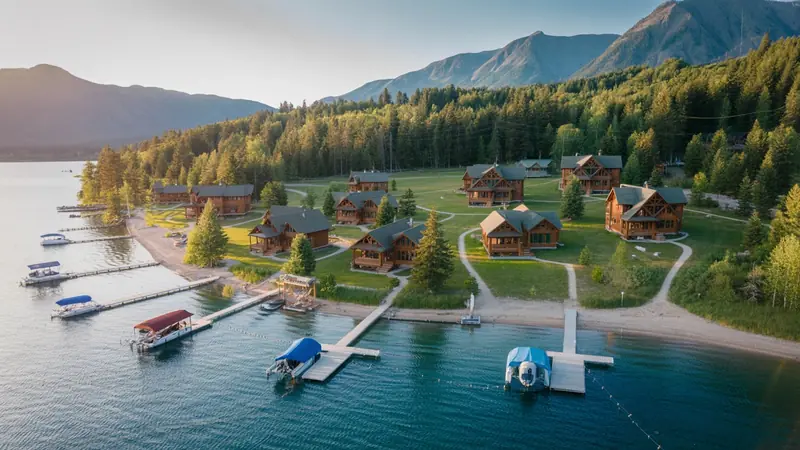
Most Deep Creek properties are not connected to a city water main or municipal sewer. Water comes from a private well, wastewater goes to a septic system, and everything in between has to make it through months of freezing temperatures. That combination makes plumbing at the lake a different job than plumbing in a subdivision.
A rental that sleeps twelve can run more water in a weekend than a full-time household uses in a week. Showers run back to back, the dishwasher and washer cycle constantly, and guests flush things they should not. Pumps, tanks and drain fields all feel that strain.
Deep Creek Hub passes your request to up to three local plumbing providers who serve your area. You review their availability and pricing and decide who to hire.
Well and septic realities at the lake
When a lake house has no water, the culprit is often the well system rather than the pipes. Failed pressure switches, waterlogged pressure tanks, tripped breakers and worn submersible pumps are common calls. Iron, sulfur smell and sediment are also frequent complaints, and a plumber can test and recommend filtration or softening where needed. Because the well pump needs electricity, a power outage also means no water unless you have a generator.
Septic systems need plumbing habits that protect them. Heavy rental use, garbage disposals, grease and wipes all shorten the life of a tank and drain field. Slow drains in several fixtures at once, gurgling or wet spots in the yard can point to a septic issue rather than a single clog, and a good plumber will tell you when it is time to call a septic pumping company instead.
Freezing is the third constant. Pipes in crawlspaces, exterior walls, garages and bump-out bathrooms are vulnerable during cold snaps, especially if the heat fails while the home is empty. Heat tape, insulation, shutoff valves and a proper winterization plan for homes that close for the season prevent the most expensive repairs.
Hot water demand is another lake-specific headache. A standard 40-gallon tank sized for a family of four will not keep up with a rental full of guests coming off the lake at the same time. Larger tanks, a second heater or a properly sized tankless unit on propane can end the cold-shower complaints, but the right answer depends on your water quality, venting options and fuel source.
- Know where your main shutoff and well pump breaker are located.
- Post septic-safe reminders for guests near sinks and toilets.
- Ask about freeze alarms or automatic water shutoff valves for vacant periods.
Plumbing services you can request
Well pumps and pressure tanks
Diagnosis, pressure switch and tank replacement, and coordination on deep pump work.
Water treatment
Sediment filters, softeners and treatment for iron or odor in well water.
Frozen and burst pipes
Thawing, leak repair and rerouting vulnerable lines away from cold spaces.
Winterization and spring start-up
Draining lines and fixtures for homes that close, then refilling and leak-checking in spring.
Water heaters
Tank and tankless replacements, including propane and electric units.
Fixtures and drains
Toilets, faucets, showers and drain clearing with septic-friendly methods.
When plumbers are busiest
The first deep freeze of the season and the thaw that follows bring a wave of burst-pipe calls. Scheduling winterization in October or early November, or a freeze-protection check if you rent year-round, keeps you out of that queue.
Spring start-ups cluster in April and May as owners reopen homes for summer. Booking those visits early ensures the water is on, tested and leak-free before the first guests arrive.
- September to October
- Freeze-proofing checks and winterization bookings.
- November to March
- Emergency season for frozen and burst pipes.
- April to May
- Spring start-ups, leak checks and water testing.
- June to August
- Good window for water heater and fixture upgrades.
Typical plumbing price ranges
Estimates only · actual prices vary by property
Treat these as rough guidance. Access to crawlspaces, well depth and parts availability change real quotes significantly.
| Job | Typical estimate range |
|---|---|
| Service call and diagnosis | $100 to $250 |
| Pressure switch or pressure tank replacement | $250 to $1,500 |
| Seasonal winterization | $150 to $450 |
| Water heater replacement | $1,500 to $4,500+ |
| Submersible well pump replacement | $1,500 to $4,000+ |
Estimates vary by property and provider. Emergency and after-hours rates are often higher.
What to ask a plumber
These questions help you find a plumber who understands rural lake properties.
- Are you licensed in Maryland and insured?
- Do you service well pumps and pressure tanks?
- Will your recommendations protect my septic system?
- Do you offer winterization and spring start-up packages?
- How fast can you respond to a frozen or burst pipe?
- What are your emergency and weekend rates?
- Do you warranty parts and labor?
Plumbing FAQ
Why do I have no water at my Deep Creek house?
Common causes include a tripped well pump breaker, a failed pressure switch, a frozen line or a power outage. A plumber can trace the problem quickly.
Should I winterize my lake house?
If the home will sit unheated, yes. If you rent in winter, focus on freeze protection, reliable heat and remote temperature alerts instead.
Can a plumber help with septic problems?
Plumbers handle fixtures and drain lines and can spot signs of septic trouble. Tank pumping and drain field work are usually done by septic specialists.
How do I protect pipes when the house is empty?
Keep the heat on at a safe setting, insulate vulnerable lines, know your shutoff and consider automatic shutoff valves or freeze alarms.
How many plumbers will contact me?
Your request goes to up to three local plumbing providers who serve your area.