Deep Creek Lake Winter Prep Checklist for Second-Home Owners
By Deep Creek Hub · Updated
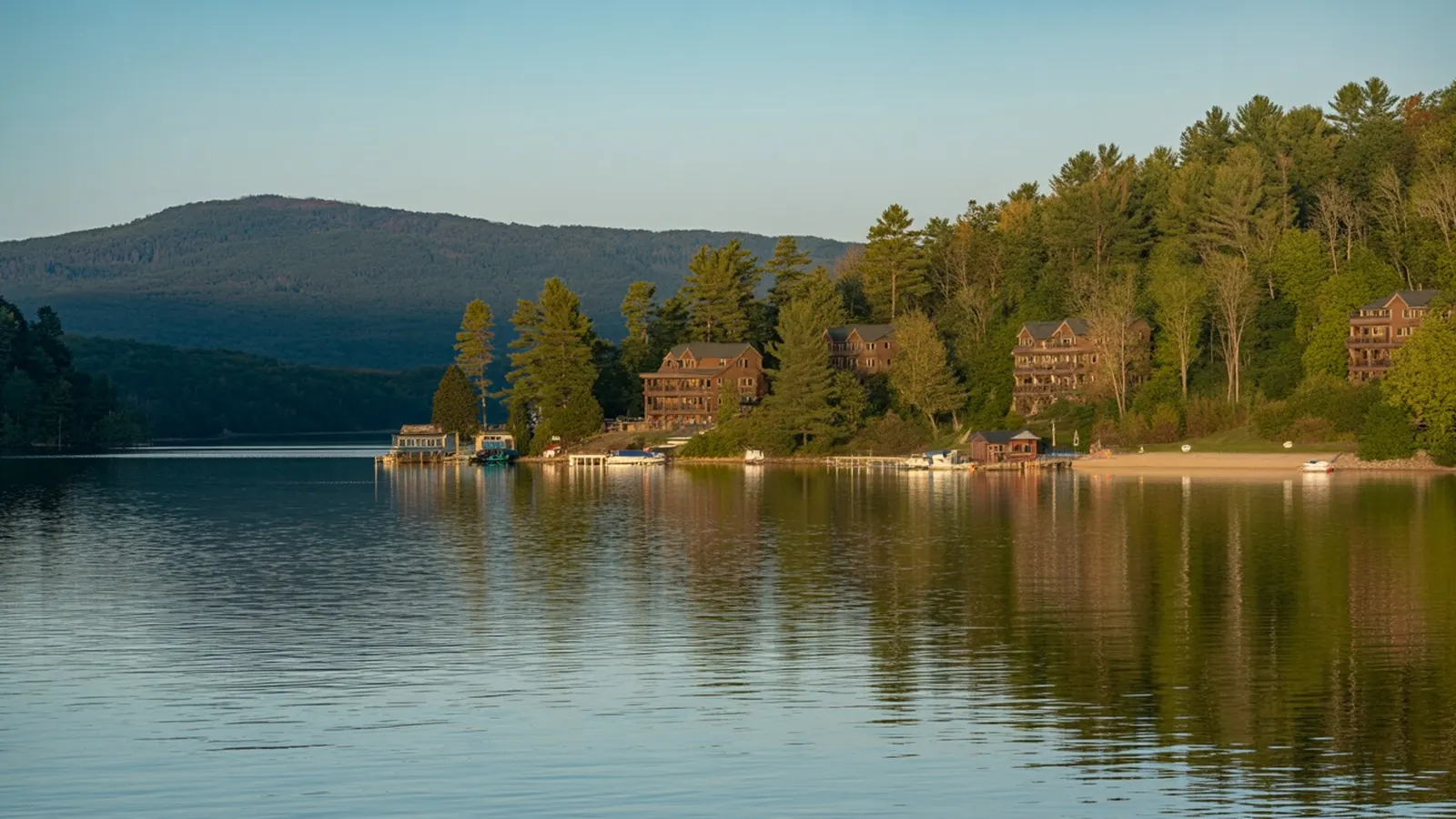
Winter at Deep Creek Lake is the reason many people bought here in the first place: quiet weekends, ski runs at Wisp, and a frozen lake under a clear sky. It is also the season that does the most damage to houses that sit empty for days or weeks at a time. Garrett County regularly sees some of the heaviest snowfall in Maryland, and nighttime temperatures on the ridges around the lake can drop well below zero during cold snaps.
If you own a second home or a vacation rental, the goal of fall preparation is simple: make sure nothing freezes, nothing leaks unnoticed, and someone can reach the house when the snow piles up. This checklist walks through the jobs most owners need to handle, roughly in the order they should be booked, along with notes on which ones you can do yourself and which are worth handing to a local provider.
Start in September: book the busy trades early
The single most common winter-prep mistake at the lake is waiting until the first cold forecast to call around. By late October, dock crews, plow operators, hot tub technicians and HVAC companies are working through long lists of returning customers. New callers often end up waiting weeks, or being told the route is full for the season.
Use September to make a short list of every outside service your property needs before winter and request quotes for all of them at once. Even if the work itself happens in October or November, having a confirmed spot on the schedule is what matters.
- Snow plowing and walkway shoveling contract for the season
- Dock and boat lift removal, or a plan to leave them in for the winter
- Hot tub winterization or a winter maintenance schedule if guests will use it
- Furnace, heat pump or boiler service before the heating season
- Chimney sweep and wood stove inspection if you burn wood
- Gutter cleaning after most leaves have dropped
Protect the plumbing first
Frozen and burst pipes cause more winter damage in lake houses than anything else, and they are especially costly in homes nobody visits for a couple of weeks. A small split in a supply line can run for days before anyone notices. Many lake homes also have plumbing in crawl spaces, garages or exterior walls that were never designed for long stretches of single-digit temperatures.
Decide early whether the house will be heated and occupied this winter or fully shut down. A home that stays in rental service needs reliable heat and a monitoring plan. A home that will sit empty from December to March may be better off professionally winterized, with the water shut off and lines blown out and protected with antifreeze where appropriate.
- Locate the main water shutoff and make sure it turns easily; label it for guests and providers
- Disconnect garden hoses and shut off and drain exterior spigots unless they are frost-free
- Insulate exposed pipes in crawl spaces, garages and along outside walls
- Check heat tape and crawl space vents; close vents that should be closed for winter
- If you have a private well, confirm the pump house or well pit is insulated and heated if needed
- Ask about septic systems before a long vacancy; a system that sits unused can behave differently in deep cold
Service the heat and plan for outages
Heat is the thing that protects everything else, so it deserves a fall checkup. Heating systems at the lake range from propane furnaces and heat pumps with backup strips to oil boilers, electric baseboard and wood stoves. Each one has its own list of filters, igniters, flues and fuel deliveries that need attention before the first hard freeze.
Winter storms in the mountains can knock out power for hours or longer, especially on roads lined with tall trees. If your house relies on electricity to run the furnace blower, well pump or sump pump, an outage during a cold snap can freeze pipes quickly. Many owners install a standby generator or at least a transfer switch for a portable unit. If you already have a generator, have it serviced and test it under load.
- Schedule a heating tune-up and replace filters
- Confirm propane or oil tanks are full and set up for automatic delivery
- Test carbon monoxide and smoke detectors and replace batteries
- Set a minimum thermostat temperature for vacant periods; many owners choose somewhere in the mid-50s Fahrenheit
- Service any standby generator and confirm fuel supply
Deal with the dock, boat lift and shoreline
Lake levels at Deep Creek drop in the fall and winter, and ice can push, lift and twist dock sections and boat lifts that are left in the water. Whether you remove your dock, leave a permanent structure in place, or just pull the boat and lift, it needs a plan before ice forms.
Dock removal is one of the most time-sensitive fall jobs on the lake because crews have a limited window and long customer lists. If you want removal, book it early. Before the crew arrives, clear personal items like furniture, kayaks and ladders, and make a note of any damage you want them to look at. Our guide on when to remove and reinstall your dock covers the timing in more detail.
Winterize or maintain the hot tub
Hot tubs are one of the biggest draws for winter rentals, so many owners keep them running all season. That works well when someone checks chemistry and the cover weekly and the tub has reliable power. A tub that loses power for a day in January can freeze, crack lines and damage the pump and heater.
If the house will be empty or the tub will not be used, a proper winterization includes draining the tub, blowing water out of the lines and jets, protecting the equipment and securing the cover. It is not a complicated job for a technician, but it is easy to miss water hiding in the plumbing. Our hot tub winterization guide explains both options.
Line up snow removal before the first storm
Steep driveways, private lake-access roads and tight turnarounds are common around the lake, and they shape what kind of equipment a plow operator needs. A contract signed in October means your property is on a route before the first storm. Waiting until the first big snow usually means paying per-visit rates, if you can find someone at all.
Before signing, walk the property with the provider or send clear photos. Mark the edges of the driveway, septic components, landscape beds and anything else a plow could hit. Ask whether walkways, steps and decks are included, and how they handle salt or other ice melt near stone and wood surfaces. Our snow removal contract guide covers the questions to ask.
Exterior, roof and gutter checks
Heavy snow loads, ice dams and wind can all exploit small problems in a roof or gutter system. A quick look in the fall can prevent interior leaks that would otherwise go unnoticed in an empty house.
- Clean gutters and downspouts after leaves fall; make sure water drains away from the foundation
- Look for loose shingles, damaged flashing and gaps around vents and chimneys
- Trim branches that overhang the roof, driveway or power lines
- Store or secure deck furniture, grills and kayaks
- Seal gaps where mice can enter; rodents move indoors as temperatures drop
Set up remote monitoring and a local contact
For many second-home owners, the best winter investment is simply knowing what is happening at the house. Inexpensive Wi-Fi sensors can alert you to low temperatures, water on the floor or a power outage. Smart thermostats let you check and adjust the heat from home. Some owners add a camera on the driveway to see whether the plow has come through.
Technology only helps if someone can respond. Line up a local person who can check the house after storms and respond to alerts, whether that is a neighbor, a property manager or a house-watch service. Make sure they have a key or code, know where the water shutoff and electrical panel are, and have a list of your service providers.
Inside the house before you leave
A few minutes on your last visit of the fall can save a lot of trouble. If the house will sit empty, work through a short closing routine every time you leave.
- Set the thermostat to your winter minimum and leave interior doors and cabinet doors under sinks open so warm air circulates
- Empty the refrigerator of anything that can spoil if the power goes out
- Unplug small electronics and turn off the water heater or set it to vacation mode if the house will be vacant
- Close and lock windows, and double-check exterior doors
- Leave a note for providers with the water shutoff location, breaker panel and emergency contacts
A simple timeline to follow
Every property is different, but most owners can use this rough timeline as a starting point. In September, request quotes and book dock removal, snow removal, heating service and hot tub work. In October, have the heating system serviced, clean gutters once most leaves are down, and remove the dock before the lake gets too low or cold for the crew. In November, finish plumbing protection, set up sensors, confirm fuel deliveries and make your closing visit. By December, the snow contract should be active and your local contact should know the plan.
If managing all of this from a distance feels like too much, a property manager or house-watch service can coordinate the work for you. When you are ready, you can request quotes from up to 3 local providers in a single form.