How to Winterize a Hot Tub at a Deep Creek Vacation Rental
By Deep Creek Hub · Updated
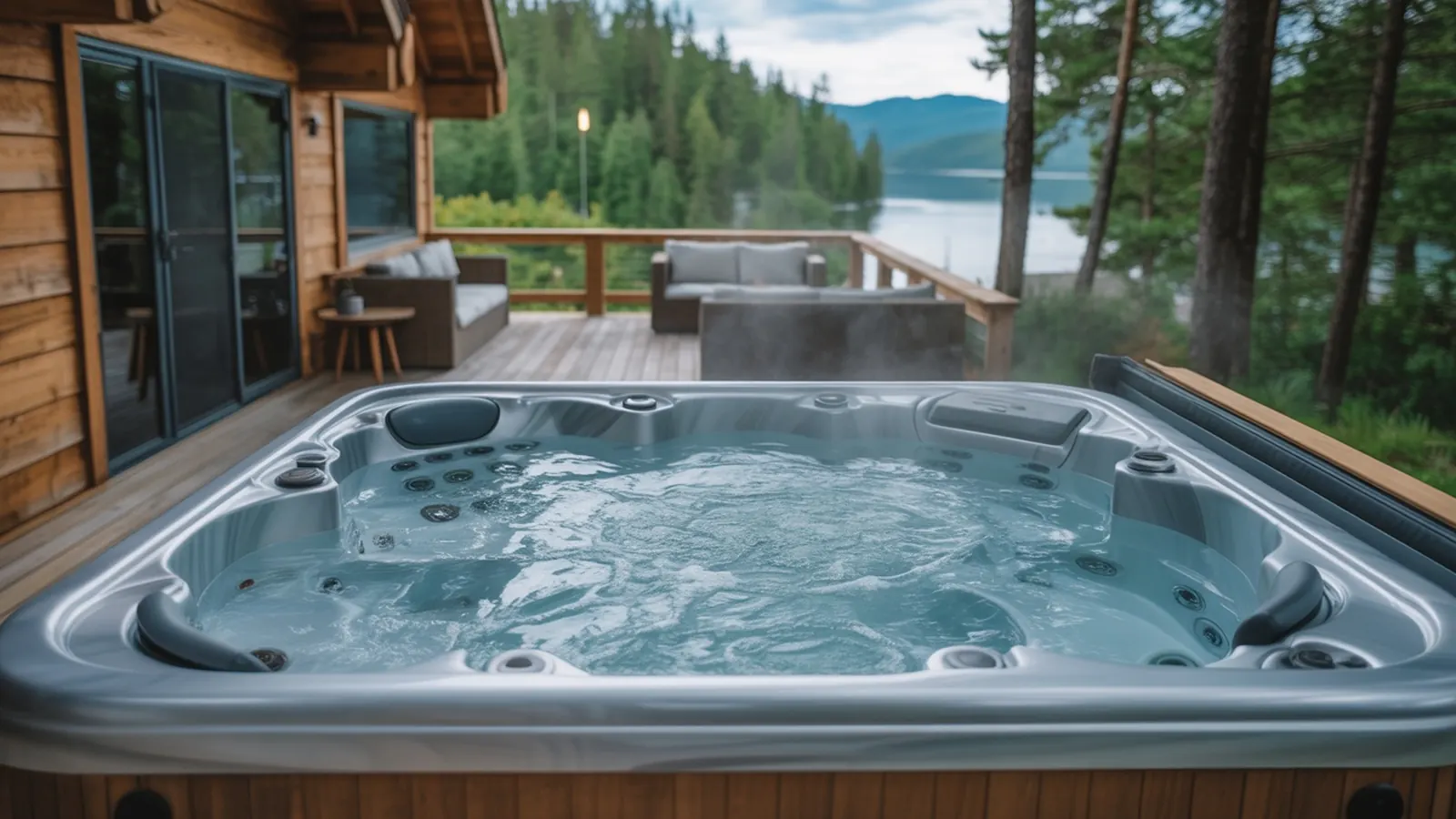
Ask guests what they want in a Deep Creek winter rental and the hot tub is near the top of the list. Soaking under the stars after a day on the slopes is a big part of the appeal. But a hot tub sitting on an exposed deck at roughly 2,400 feet or more above sea level faces real winter risk. Long cold nights, wind across the lake and the chance of a multi-hour power outage all add up.
For rental owners, winterizing is really a decision between two approaches: keep the tub running safely through the winter, or shut it down properly so it cannot freeze. This guide covers both, explains what can go wrong, and lists what to ask a technician so you can make the right call for your property.
Why elevation and exposure matter
Hot tubs are built to handle cold weather while they are running. The heater and circulation pump keep water moving and warm, and a good cover holds the heat in. Problems start when the water stops moving. Without circulation, the water in pipes, jets and the pump can freeze in hours on a very cold night, and freezing water expands enough to crack fittings, split lines and damage the heater.
Properties around Deep Creek Lake sit at elevations where winter temperatures can drop well below freezing for long stretches, and many hot tubs are placed on decks or patios facing the lake where wind adds to the cold. Snow and ice can also weigh down and damage covers. All of this makes a power interruption or equipment failure more serious here than in a milder climate.
Option one: keep the hot tub running all winter
Most active vacation rentals at Deep Creek keep their hot tubs running in winter because guests expect them. This is a perfectly sound approach as long as the tub is in good condition and someone is watching it regularly. A running hot tub with a sound cover and steady power is well protected against freezing.
The key is consistent care between stays. Guest use adds body oils, lotions and contaminants that throw off water chemistry, and heavy use in winter can be harder on filters. Covers left open by guests lose heat quickly and can take on snow and ice.
- Have the tub inspected in the fall: heater, pump, GFCI breaker, cover and cabinet insulation
- Test and balance water chemistry at every turnover, or at least weekly
- Clean or swap filters on a regular schedule; keeping a spare set speeds up turnovers
- Drain, clean and refill on a regular schedule based on how heavily the tub is used
- Check that the cover is intact, locks properly and is not waterlogged
- Leave clear guest instructions to replace and lock the cover after every use
Plan for power outages and failures
The biggest winter risk for a running hot tub is losing power or having the heater or pump fail while the house is empty. Mountain storms can bring down lines, and a tripped GFCI breaker can shut off the tub without anyone noticing.
Many owners add a simple Wi-Fi temperature sensor or a hot tub controller with app alerts, so they know if water temperature drops. Make sure someone local can respond quickly if an alert comes in, whether that is your cleaner, property manager or hot tub technician. If power is out for an extended time in very cold weather, a technician may need to drain the tub to prevent freeze damage.
Option two: shut the tub down for the season
If your property will be vacant for weeks or months, or you simply do not want to manage the tub in winter, a full shutdown is the safer choice. The goal is to remove as much water as possible from every part of the system so nothing can freeze and crack.
This is the step people most often get wrong. Draining the shell is easy, but water hides in the plumbing lines, jets, pump and heater housing. A technician will usually use a wet/dry vacuum or blower to clear lines and may open unions or drain plugs on the equipment.
- Turn off power at the breaker before doing any work
- Drain the tub completely using the drain valve or a submersible pump
- Remove and clean the filters; store them indoors and dry
- Blow out or vacuum water from jets, lines and the filter compartment
- Open drain plugs or loosen unions on the pump and heater so trapped water can escape
- Wipe the shell dry and clean any remaining standing water
- Secure the cover tightly and consider a cover cap or wrap to protect against snow and wind
Should you use antifreeze?
Some technicians add non-toxic, propylene glycol antifreeze to plumbing lines as an extra layer of protection after blowing them out. Others rely on thoroughly clearing the water. Practices vary by manufacturer and model, so ask your technician what they recommend for your specific tub, and check the owner's manual. Never use automotive antifreeze.
If antifreeze is used, the tub will need to be flushed thoroughly when it is started up again in spring.
Spring start-up
Reopening a winterized tub is mostly the shutdown in reverse. Close drains and reconnect unions, reinstall clean filters, fill the tub with a hose placed in the filter compartment to help push out air locks, then restore power and let it heat. Balance water chemistry and shock before guests use it.
Many owners book a spring start-up visit with a technician, especially if the tub sat all winter, so any leaks or damaged parts can be fixed before the spring and summer rental season begins.
Hot tubs, guests and reviews
For rental hosts, the hot tub is also a guest experience issue. A cloudy, lukewarm or out-of-service tub is one of the more common reasons for disappointed guests in winter. Listing descriptions should be accurate: if the tub will be shut down for part of the season, say so clearly in the listing and in booking communications.
If the tub stays open, build hot tub checks into your turnover routine. Your cleaning crew can do quick visual checks, report issues and keep the cover in good shape, while a technician handles chemistry, filters and repairs on a regular schedule.
Questions to ask a hot tub technician
When you request quotes, these questions help you compare providers and set clear expectations.
- Do you recommend keeping my tub running or shutting it down, based on how my property is used?
- What exactly is included in your winterization or winter service visit?
- Do you use antifreeze in the lines, and why or why not?
- Can you do weekly or per-turnover service visits for a rental?
- How quickly can you respond if the tub loses power or stops heating in winter?
- Do you service my brand, and can you get parts in winter?
- Is spring start-up included or priced separately?
When to book
Hot tub technicians around the lake are busiest in the fall, when owners are deciding how to handle winter, and again in spring for start-ups. Booking a fall inspection or winterization in September or October gives you time to repair anything before the first freeze. If you plan to keep the tub running for rentals, set up recurring service before the ski season brings full calendars.
You can request free quotes from up to 3 local hot tub service providers who work around Deep Creek Lake with one short form.